Pedrógão Grande | Book
Top
#278h
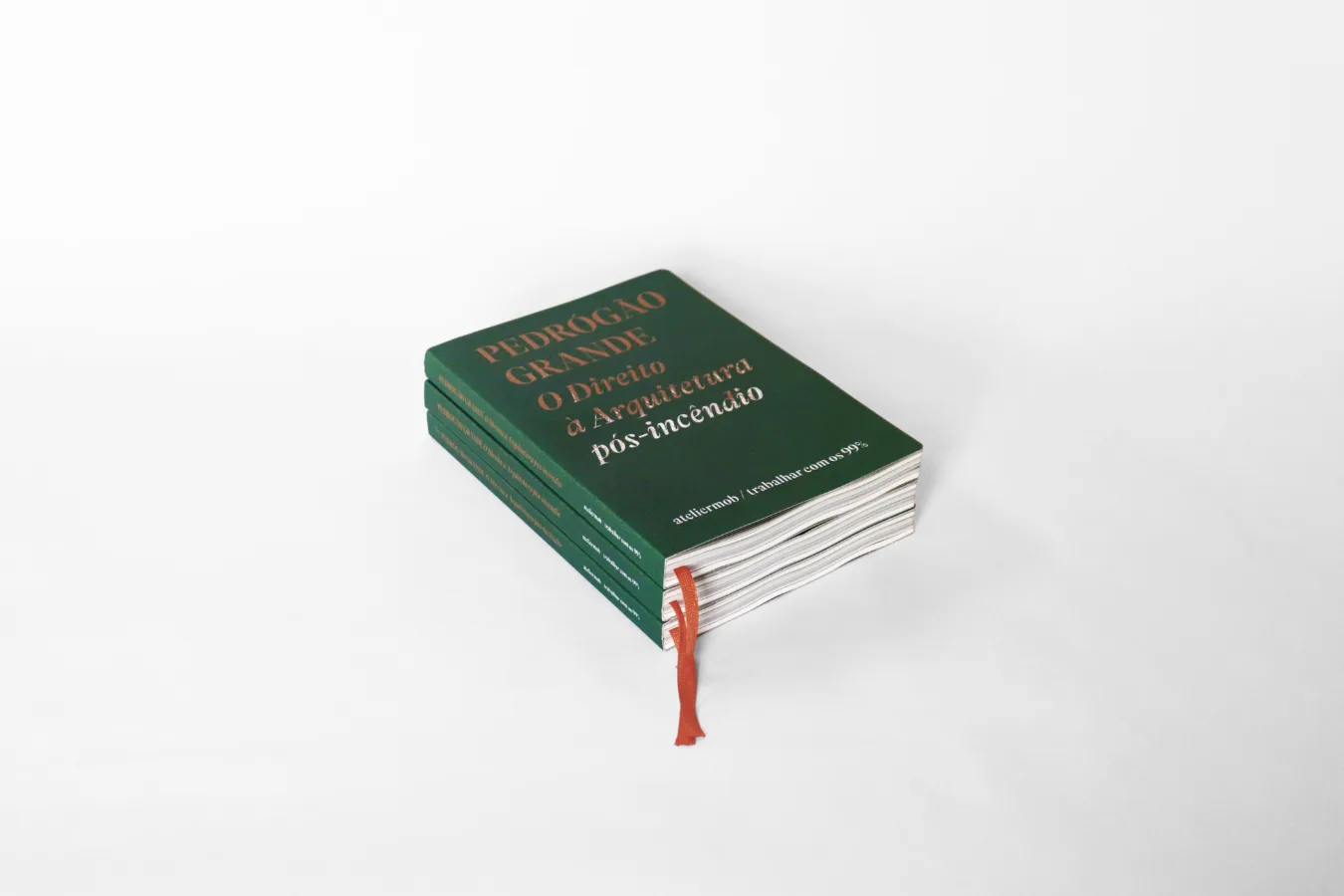
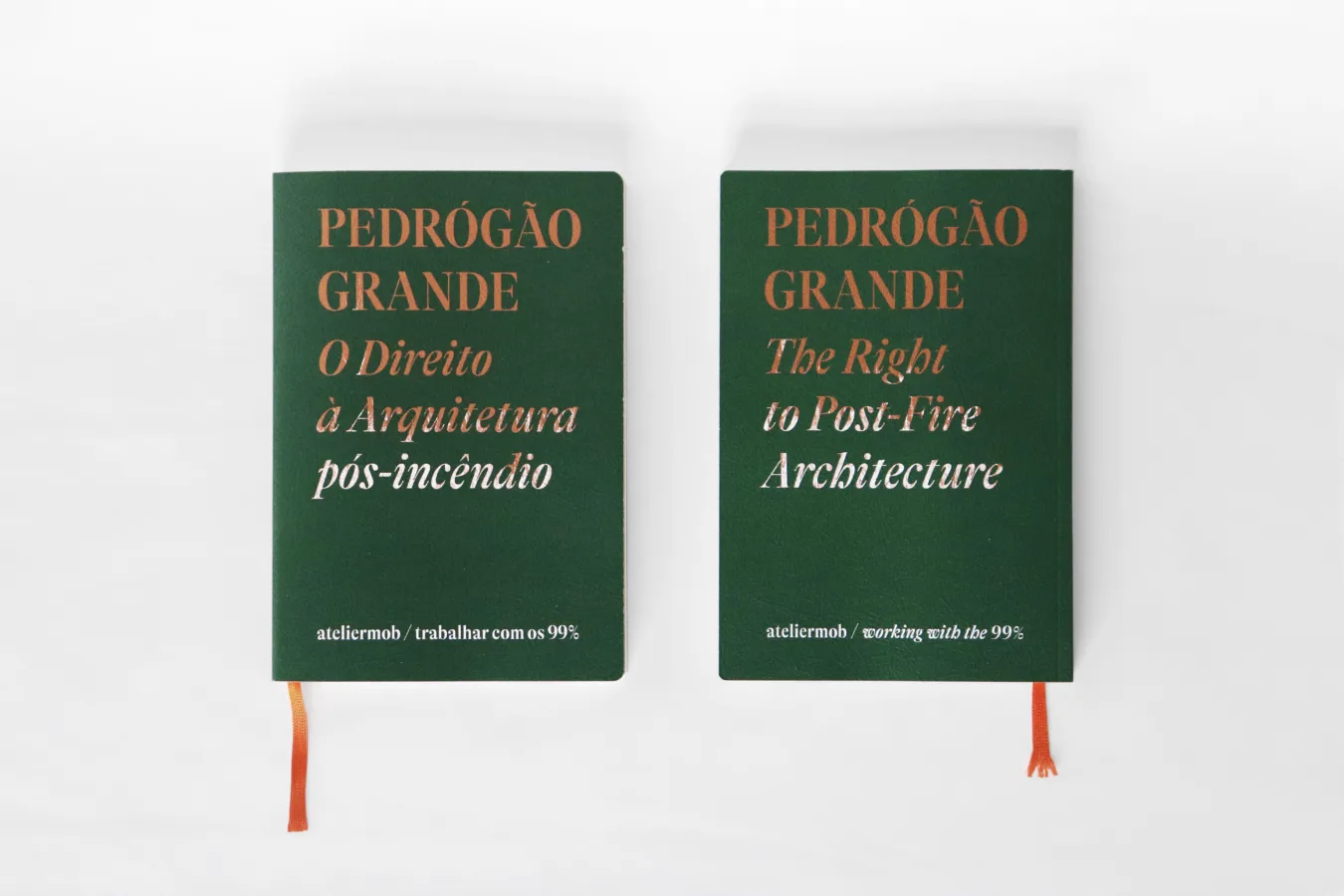
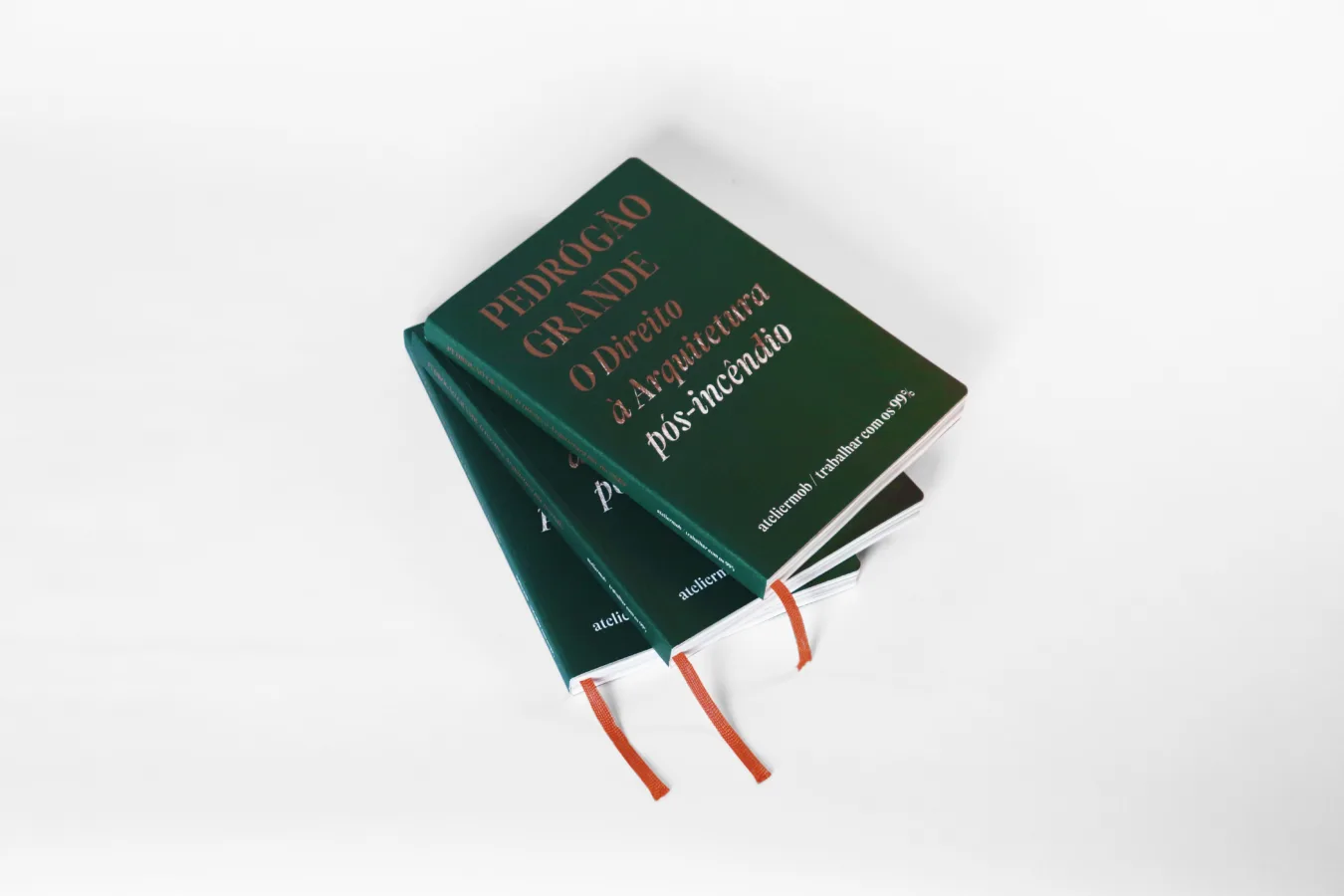
This book arises, in the first instance, from the need we felt to reflect, five years after the fires in Pedrógão Grande, on our work and the various methodologies we experimented with thought out the process.
More than a reflection on the disciplinary practice of architecture, we wanted to write a text that would reason on how, from a traumatic event, we can try other ways of building our own territory. If it is true that the role of architecture is fundamental, it is no less of a fact that the practice of this discipline can be exercised in many ways. We believe in collective, multidisciplinary, if not interdisciplinary work, where the practice of participation implies a permanent discussion of perspectives: our own, that of the residents whose houses we are responsible for designing, and that of the institutions in the territory. This time, when we all meet to talk, is a time that rarely has the deserved or desired duration. Reflecting on a process where time was always scarce also means identifying less clear areas, which were left out or which could have been better defined. Because this is not a book exclusively about the practice of architecture that we experience here, it is therefore not a book about this subject. With this text, we wanted to reflect on the world in which we are located and involved, broaden the scale of our view and bring into the conversation terms such as climate change or natural catastrophes because we believe it is important to place the event of the 2017 Pedrógão Grande wildfire in a broader debate. We understand that these terms also interfere with the way architecture is practised or called upon to participate when it comes to thinking of alternative ways for the territorial planning of our territories. It is, therefore, important to understand how the “natural” that comes before the term “catastrophes” carries, in fact, very little of what natural means.
This will not be a document with a closed thesis, in which heroes and culprits can be identified, but a reflection in which we intend to open doors to other discussions and other paths.
Images
Project description
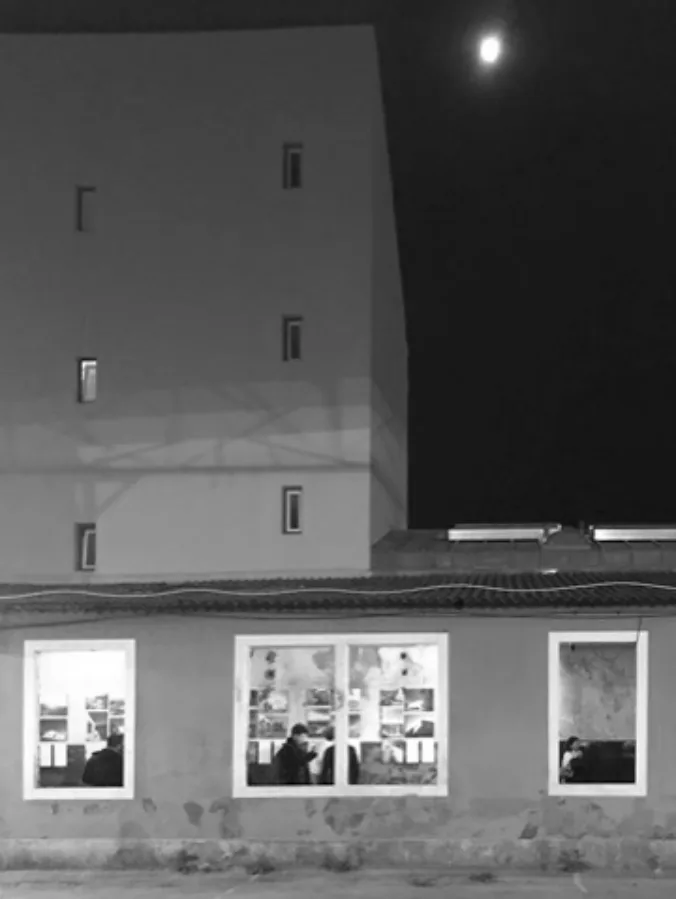
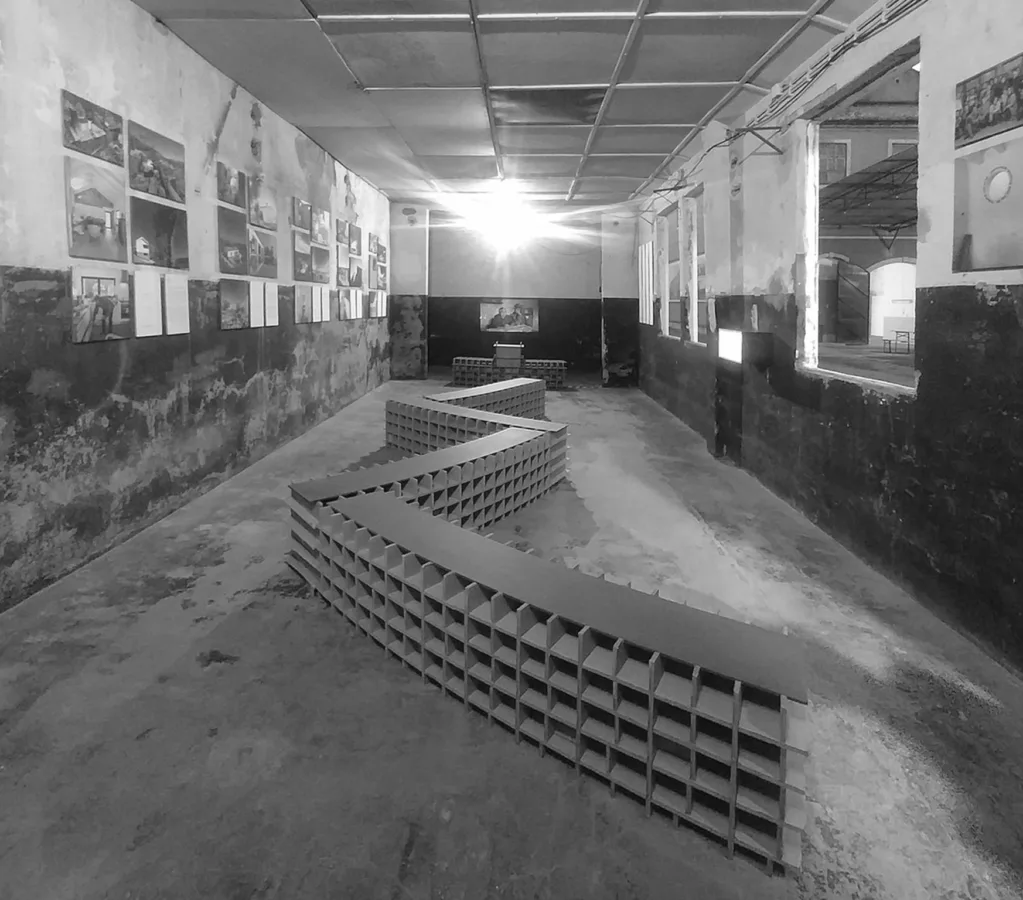
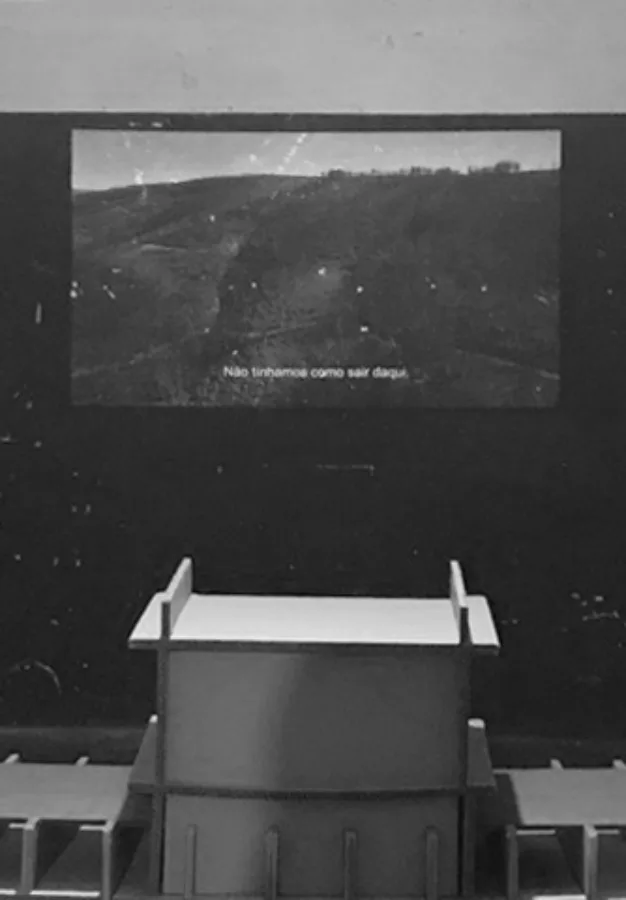
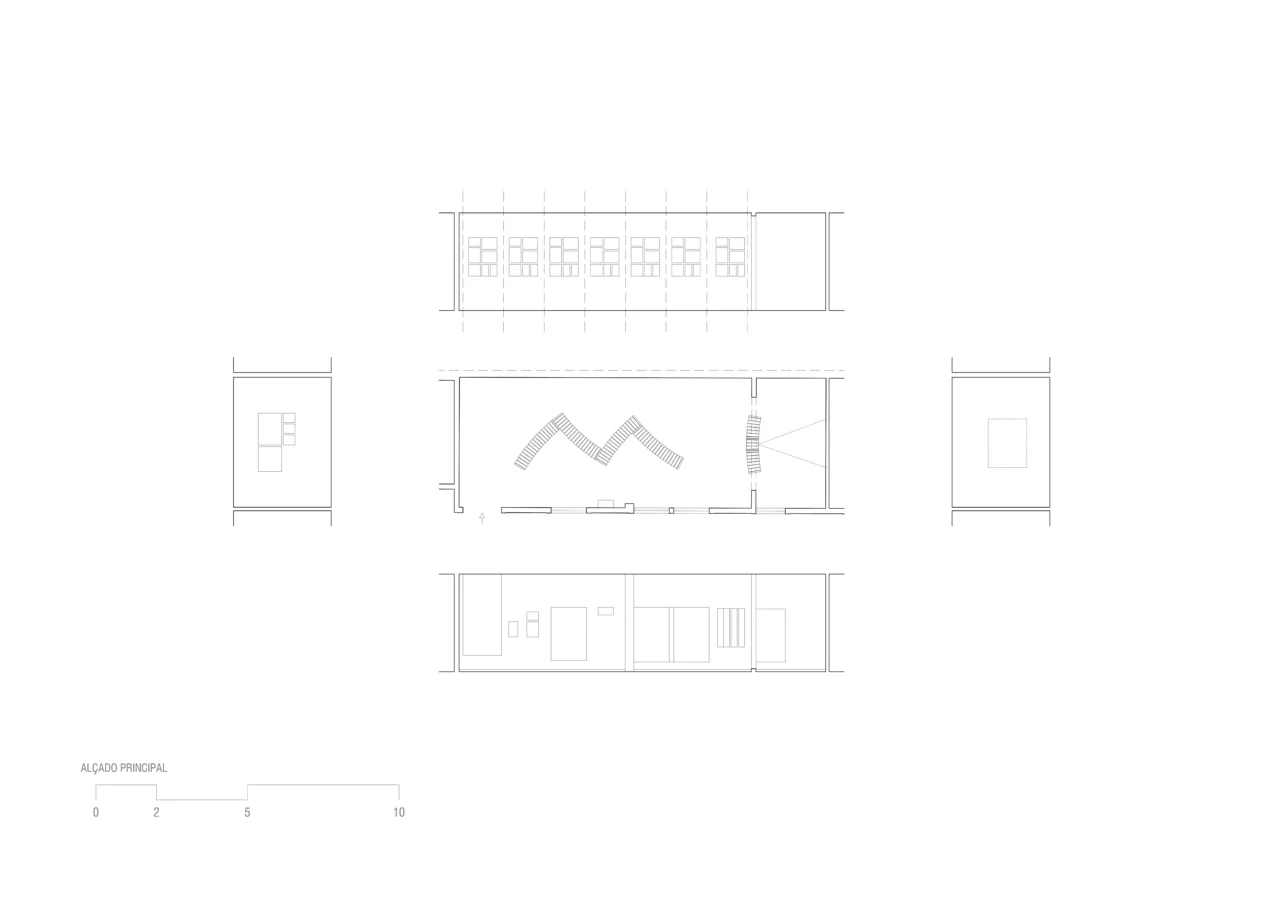
With this exhibition, we wanted to show the result of immersion in everyday life where, to design and build a perspective, it was necessary to question and create from the trauma of loss.
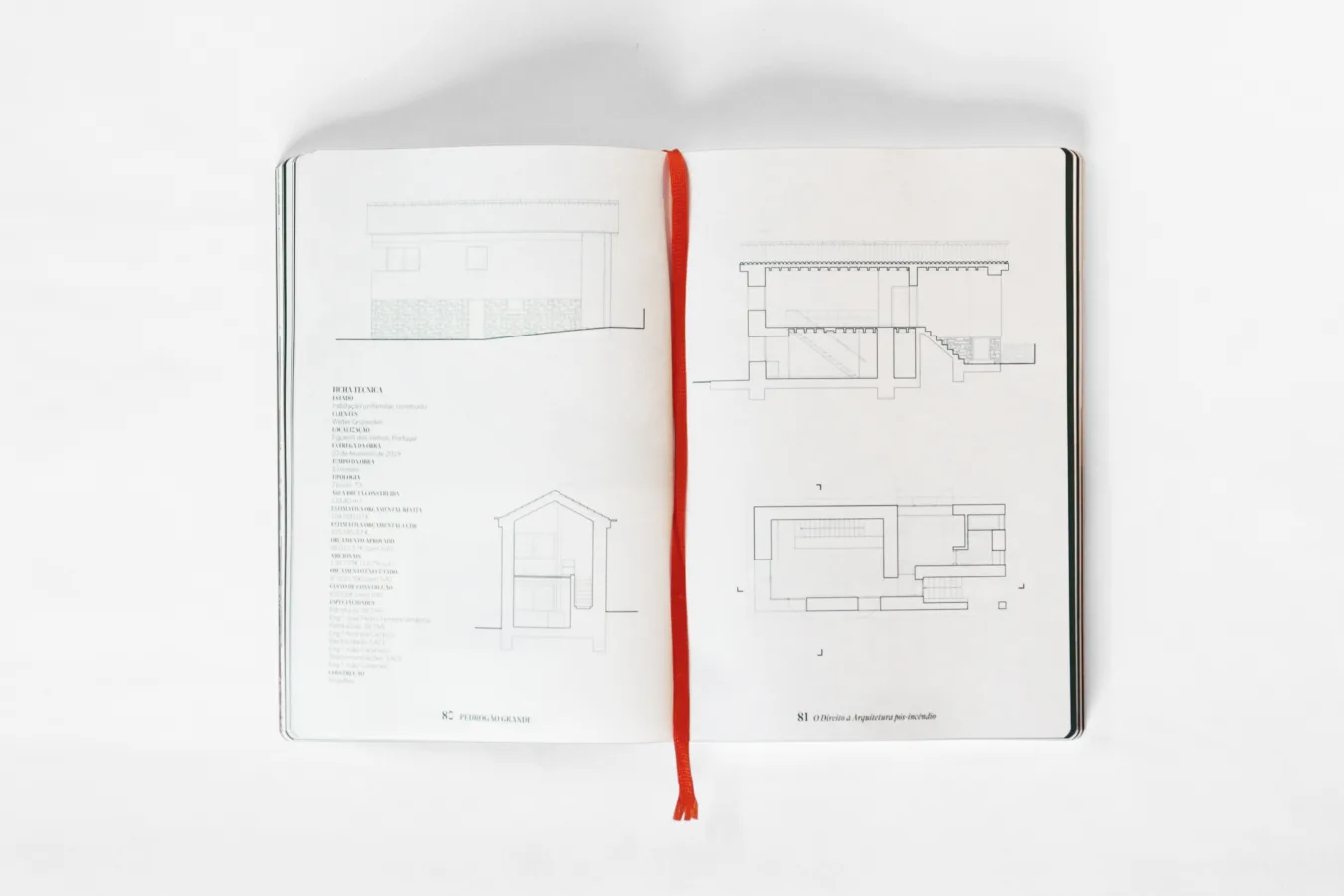
Besides architectural projects, we want to reflect and discuss the role of architecture, which, together with other disciplinary areas, plays a role in improving our built environment - the habitat in its broadest sense. Immediately, we set out, with each of the 7 families, to imagine and design a new house, a new proposal for domestic space and intimacy that, at the same time, could give clues to other ways of inhabiting the landscape.
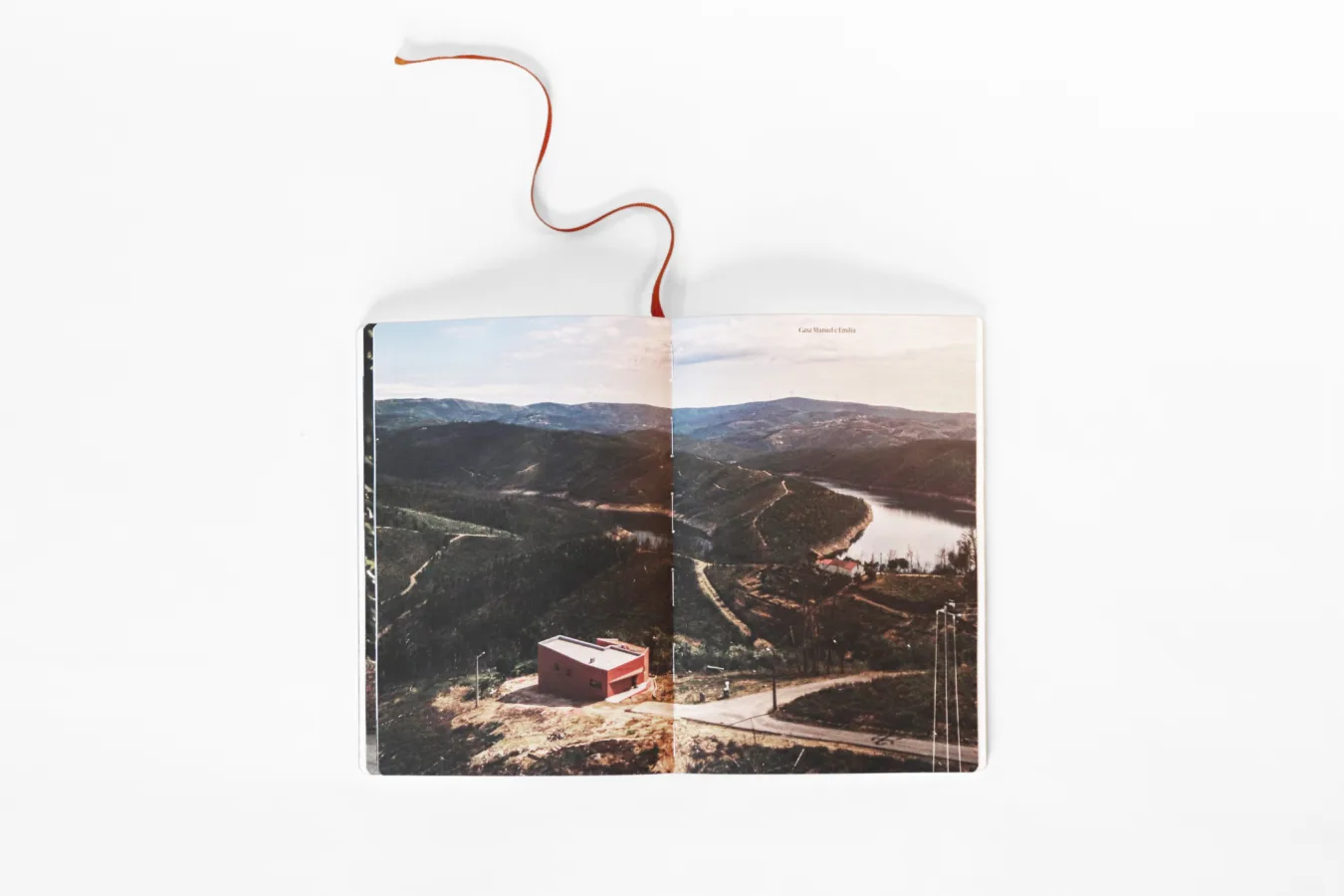
This was a project made at a time that felt as if it was escaping us. Trying to ensure that the imposed urgency did not condition our imagination, nor the residents, was a challenge. It shows how time imposed itself as a variable in the project and the process and, therefore, how architecture may or may not respond to urgency. By exhibiting the photographs, we want the image to be more than the illustration of the building with its characters and express why we defend that access to architecture is a right for all.
Project details
- Project name
- Pedrógão Grande | Book
- General category
- Exhibition
- Publication
- Partners
- Livraria Tigre de Papel, DGArtes, Largo Residências Portugal
- Status
- Complete
- Start date
- 2022
- Conclusion date
- 2023
- Research
- Mariana Marmelada
- Revision
- Sara Goulart
- Translation
- Bluedimension
- Graphic Design
- Ana Teresa Ascensão
- Printing
- Gráfica Maiadouro, S.A.
- Imagens
- Fg+Sg, ateliermob